
What Is a Food Tour? A Guide to Food Tours in Washington DC & Beyond
If you’re considering taking a Washington DC food tour, this series explains how food tours work, what makes them memorable, and how to choose the right one.
- What is a Food Tour?
- What I Learned from the Best Food Tours in the World
- Why Washington DC Is a Surprisingly Good Food City
- THIS POST → What Makes a Washington DC Food Tour Worth it?
- What Makes Drink•Eat•Walk Different from Other Washington DC Food Tours

What Makes a Washington DC Food Tour Actually Worth It
If you’re visiting and looking for things to do in DC and considering a food tour, you’re probably asking a simple question:
Is this actually worth my time and money, or can I just eat well on my own?
It’s a fair question. DC has no shortage of restaurants, museums, neighborhoods, and “top 10” lists. Some food tours genuinely deepen your understanding of the city. Others walk you between forgettable bites while reciting facts you could have Googled.
Why People Book Food Tours in Washington DC in the First Place
Most visitors don’t book food tours because they’re hungry.
They’re looking for context, not just calories. They want local knowledge without spending hours researching, and they want a way into neighborhoods they wouldn’t confidently explore on their own.
Washington DC is especially tricky in that sense. The areas around the monuments and museums tell only a fraction of the city’s story — and almost nothing about how people actually live, eat, and spend their time here.
A good food tour bridges that gap.

So what actually makes a DC food tour worth it?
I’ve taken dozens of food tours across the world. And I’ve now been running by Drink•Eat•Walk local neighborhood food tours in Washington DC since last year. So I’ve have had lots of tours, time, & cycles to see & hear what resonated with me, and what makes for interested & happy guests.
This is post is everything I’ve learned about what I think separates a great experience from one you forget before dessert.
1- What Separates a Great DC Food Tour From a Forgettable One
The biggest difference isn’t the food quality, it’s the story behind the food, and how it fits into the cultural fabric of the city.
A forgettable tour treats each stop like a checkpoint. You show up, eat something, move on. By the end, you’ve had a few bites but no real sense of the place.
A great Washington DC food tour uses food as the entry point into the city itself. You learn who opened a restaurant, why that neighborhood matters, and how DC became the international city it is today. The food becomes part of a larger story, not the entire experience.
When that happens, people don’t just remember what they ate, they remember why it mattered.

2- The Difference Between “Tourist Washington” and “Local DC” Food Experiences
Most people come to Washington expecting to learn about the country. But the DC has its own story, shaped by the people who moved here, the neighborhoods they built, and the lives lived alongside federal power. When you understand that layer, DC stops feeling like a backdrop and starts feeling like a place.
You don’t learn much about DC eating near the monuments. That area is built for volume people pass through, eat quickly, and move on. Locals don’t linger, and the food reflects that. Especially those awful food trucks — don’t eat from them!
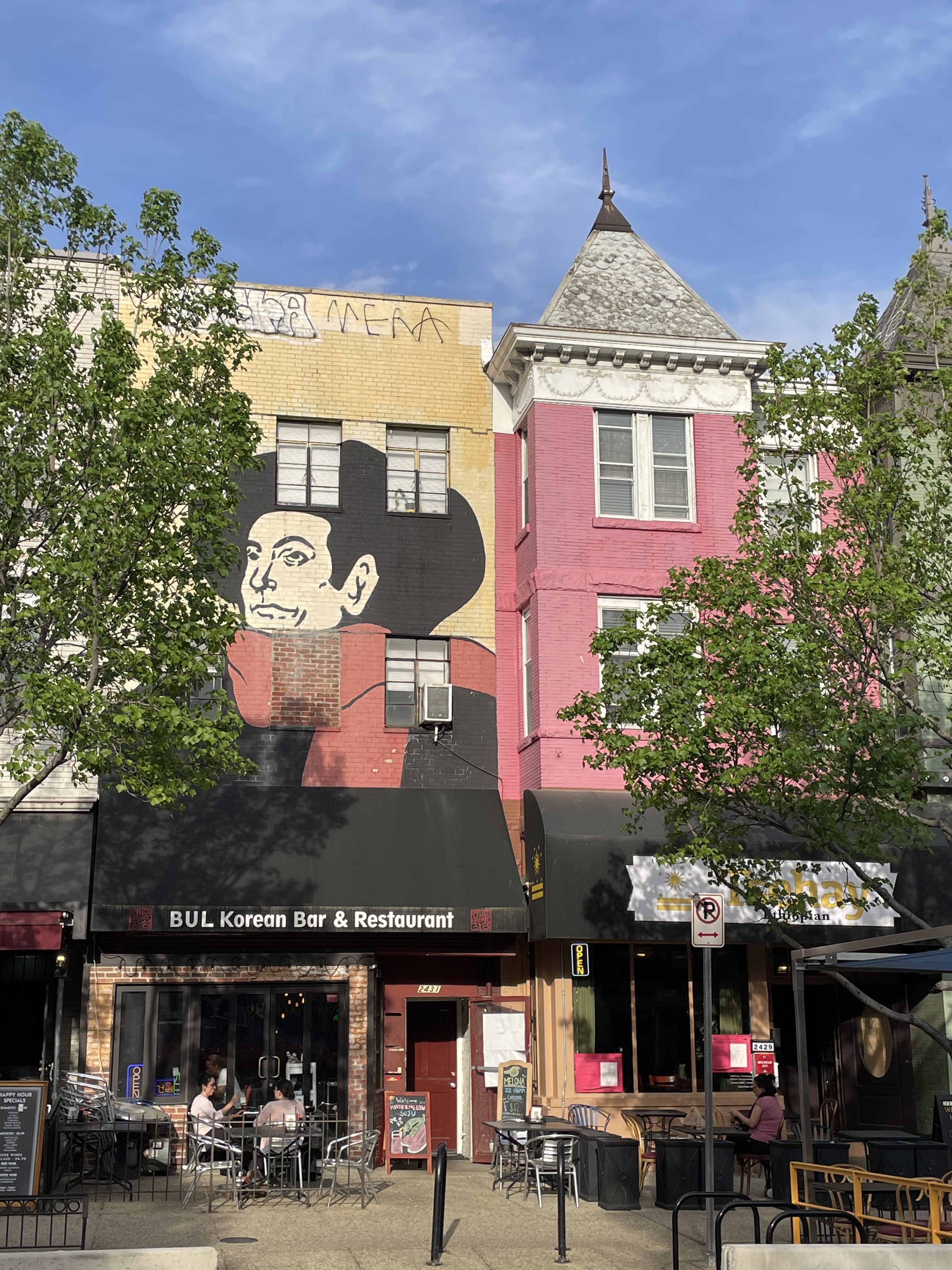
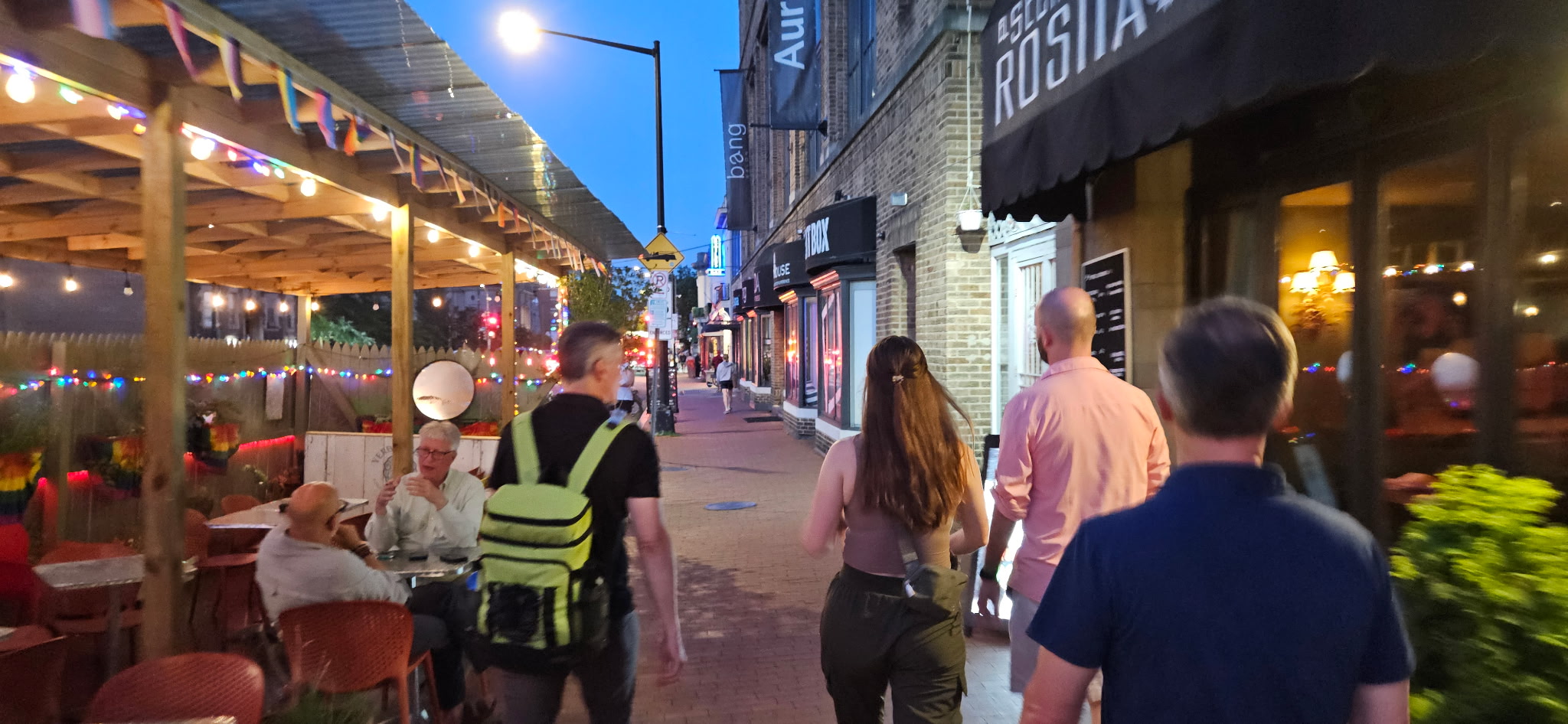
The more interesting version of DC exists in neighborhoods like Dupont Circle, Adams Morgan, & U Street, where restaurants survive because people come back again & again.
A food tour is worth it when it brings you into those spaces — and helps you understand them, not just pass through.
3- Why Neighborhood Choice Matters More Than the Menu
You can find a good meal almost anywhere in DC (except on the Mall — I’m telling you, avoid those food trucks!)
What’s harder to understand on your own is why certain foods exist where they do. In DC, food is tied closely to immigration, to embassy life, and to long-standing communities that shaped entire neighborhoods. Once you see those patterns, the city starts to make more sense.
A strong food tour is built around that idea. The people & neighborhood come first, and the food & conversation follows naturally from it. That’s why a neighborhood-based DC food tour is the best
4- How Group Size Changes the Entire Experience
This is one of the easiest details to overlook, and one of the most important. Large groups tend to feel like logistics. You’re waiting, shifting around, trying to hear, and rarely interacting beyond the people you arrived with.
Smaller groups feel completely different. Conversations happen naturally, questions come up without friction, and the experience starts to feel social instead of structured.
At that point, it stops feeling like a tour and starts feeling like a night out.

5- Why Sitting Down to Eat Matters on a Food Tour
Sampling food while standing has its place. But if everything is quick and transitional, the experience never fully settles.
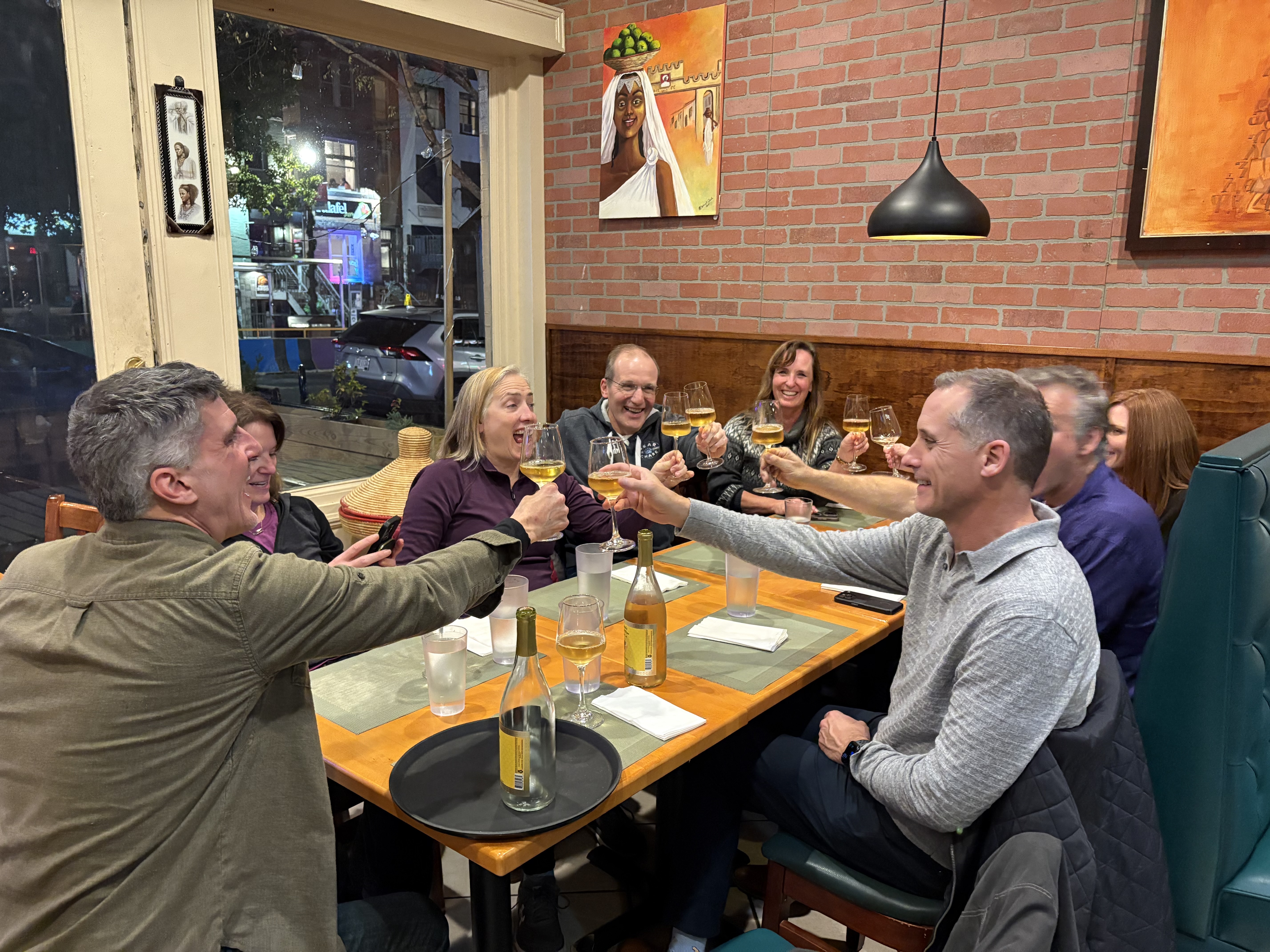
Sitting down changes the pace. It gives people time to relax, to talk, and to actually absorb what they’re learning. The food feels more intentional, and the stories have room to land.
Plus it gives time to meet other folks in the group. Some of the most memorable moments on a DC food tour happen when everyone is seated, mid-meal, realizing they’re more engaged than they expected to be.
6- Is a DC Food Tour Worth the Price?
A good food tour isn’t really about replacing a meal. It’s about being absorbed in an experience.
You’re not just paying for what’s on the plate. You’re paying for the feeling of moving through the city with a sense of purpose, of understanding why you’re in each place, and of having the night unfold in a way you didn’t have to plan.
Instead of guessing where to go or settling for what’s nearby, everything is already thought through — the neighborhoods, the pacing, the stops, the stories. You’re able to relax into it, knowing the experience will build as the night goes on.
When it works, the experience is priceless.
See some reviews for my Drink•Eat•Walk DC food tours here
Who a DC Food Tour Is (and Isn’t) For
If you prefer to move quickly, check off major sights, or keep things entirely self-directed, a food tour may not be the right fit. And that’s fine, and knowing that upfront usually leads to a better trip either way.
A DC food tour is the kind of experience works best for people who are curious about the city itself, and have open minds about the food & drink they’ll be eating.
If you enjoy understanding how neighborhoods fit together, hearing the stories behind places, and spending an evening walking, eating, and talking, a food tour can be one of the most rewarding ways to explore DC.
If that kind of experience sounds right, you can see how my neighborhood-based Washington DC food tour is designed to give it to you

Next Post in the Series → What Makes Drink•Eat•Walk Different from Other Washington DC Food Tours?
FAQ: What Makes a Washington DC Food Tour Worth It
Are food tours in Washington DC worth it?
Yes—especially when they focus on real neighborhoods, local stories, and a paced experience rather than rushing between quick samples. The best Washington DC food tours help you understand the city, not just taste it.
What neighborhoods are best for a DC food tour?
Neighborhoods like Dupont Circle and Adams Morgan offer one of the best combinations of food, history, and local culture in Washington DC. Areas like U Street and Mount Pleasant can also provide strong neighborhood-based experiences.
How much walking is involved on a Washington DC food tour?
Most DC food tours involve a few miles of walking spread over several hours, with seated stops built in so the pace stays comfortable.
Do Washington DC food tours include enough food for a full meal?
Yes. Well-designed DC food tours are structured to replace dinner, not just supplement it, with multiple substantial stops along the way.
Is a DC food tour better than exploring on your own?
If you value context, curation, and local insight, a Washington DC food tour usually provides a deeper experience than exploring on your own. If you prefer a completely unstructured approach, it depends on your style.
Leave a Reply