
What Is a Food Tour? A Guide to Food Tours in Washington DC & Beyond
If you’re considering taking a Washington DC food tour, this series explains how food tours work, what makes them memorable, and how to choose the right one.

What I Learned from the Best Food Tours in the World
Before starting my own Washington DC food tours, I did what more & more people are now doing when they travel to new cities: I took a food tour. A lot of them.
Not just in DC, but in places that are known for food & culture: Osaka, Amsterdam, and Rome. They had very different cultures, very different vibes, and completely different foods.
All were great, and I learned something from every single one of them, and those learnings now shape every part of my Drink•Eat•Walk DC food tours.

Osaka, Japan: Why Evening Food Tours Work Best
Osaka is one of the best food cities in the world, and one of the easiest places to feel completely lost as a visitor. Japan is beautiful, but the best tours there don’t happen during the day, they happen at night.
And that changes everything.
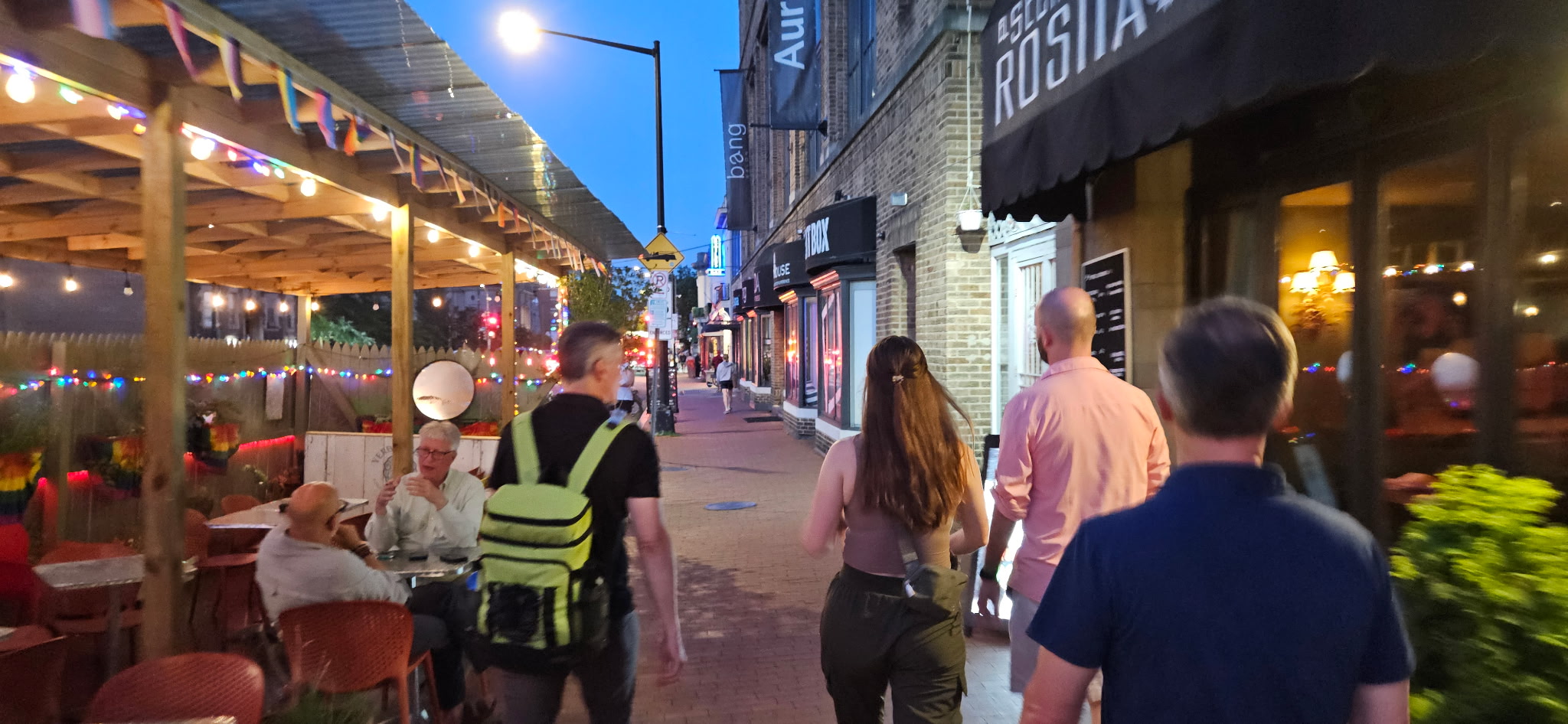
When you’re walking through narrow alleys, stopping into small places, and sharing drinks, something shifts: The group relaxes, and more conversations start, and you start letting your tourist guard down.
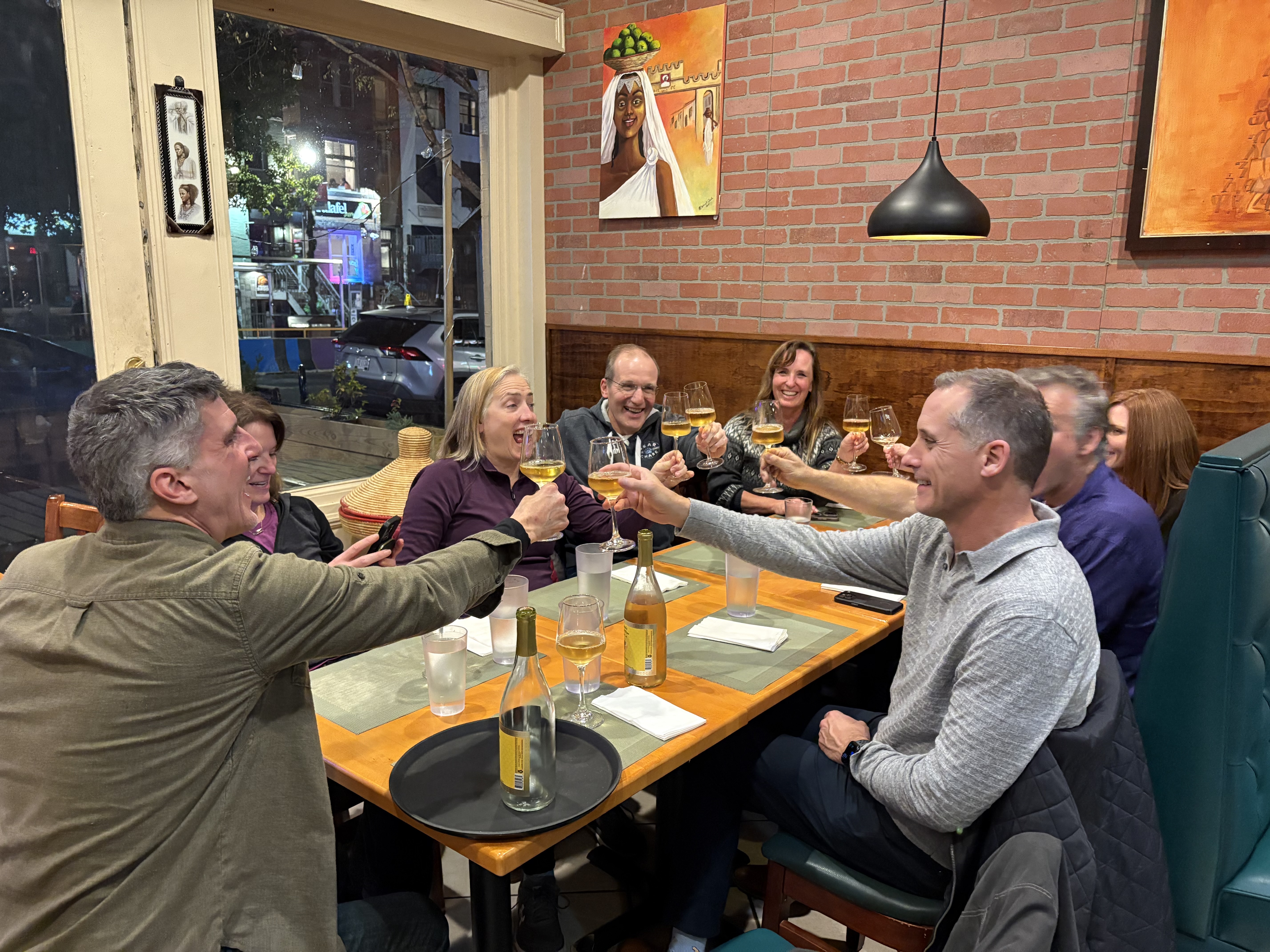
That’s when a tour stops feeling like a tour, and starts feeling like a group night out with new friends.
The other thing Osaka made obvious: you would never find these places on your own. There a few signs nor menus, and certainly not in English. Sometimes you wouldn’t even realize it’s a restaurant you were in.
That’s where a great guide matters, both for information & for access.
What that means for a Washington DC food tour:
- Evening tours create a completely different energy than daytime sightseeing
- Drinks matter—not just for flavor, but for social connection
- The best stops aren’t always obvious from the street

Amsterdam, Netherlands: Food Is a Story About the City
Amsterdam showed that it’s not just about what you eat, it’s about why the food exists in that place at all. A simple food becomes more interesting when you understand where it came from:
- Trade routes
- Immigration
- Local habits & history
And with all this info, you realize you’re not just eating delicious food, you’re understanding the city more.
The second thing that stood out in Amsterdam: neighborhoods matter more than landmarks. You can stand in the main tourist areas and feel like you’re in a version of the city built for visitors. But once you move into local neighborhoods, everything changes:
- The pace
- The people
- The types of places you go into
It feels like a completely different city.
What that means for a Washington DC food tour:
- Every dish should connect back to DC’s history and people
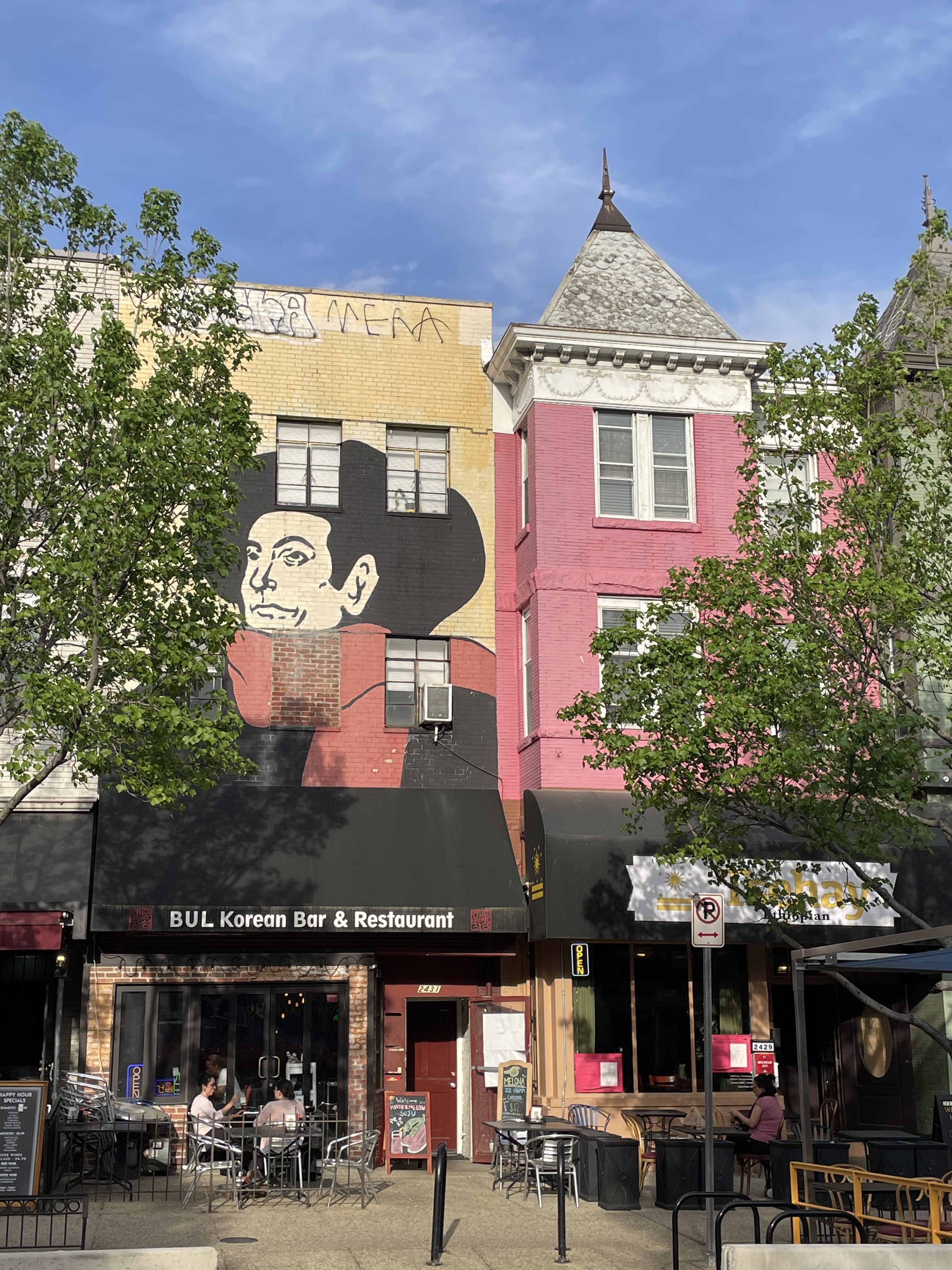
- Neighborhoods like Dupont Circle and Adams Morgan tell a deeper story than monuments alone
- The goal isn’t just to show DC, it’s to show how people actually live here

Rome, Italy: The Crowd Pull vs. The Hidden City
Rome makes it very clear right away that you HAVE to see the big sites.
The Colosseum, the Pantheon, and the Trevi Fountain are must dos, not matter what. And they should, because they’re totally worth it.
But the problem is if you only follow those magnets, you miss most of the city. That’s where food tours become essential. They take you just far enough away from the crowds to see:
- Neighborhoods & streets you wouldn’t wander into on your own
- Restaurants that aren’t designed for tourists
- Parts of the city that feel real, not staged
And without a guide, most people never make that shift. The gravitational pull of the big sites is too strong.
What that means for a Washington DC food tour:
- People come to DC for monuments, memorial, & museums, but that’s not where local life happens
- A great tour intentionally pulls you away from the obvious
- The value isn’t avoiding famous places, it’s balancing them with everything else a place gas to offer
What This All Means for my Drink•Eat•Walk DC Food Tours
All of these lessons come together and help you realize that the best food tours aren’t really about food. They’re about:
- Seeing a city the way locals experience it
- Understanding why things are the way they are
- Having a night that feels natural, not scripted
That’s why every Drink•Eat•Walk DC food tour is:
- In the evening → so it feels like a night out, not a checklist
- In real neighborhoods → Dupont Circle & Adams Morgan, not just the National Mall
- Built around stories → immigration, embassies, local culture, and how DC actually works
- Led personally → so it feels like being shown around by someone who lives here…because I do!
The difference between a good tour & a great one isn’t the food, it’s how the whole experience fits together. And I’ve made sure that this experience pulls the best parts of every tour I’ve been on
See some of my DC food tour reviews here
Why This Matters When You’re Choosing Things to Do in DC
If you’re looking at things to do in Washington DC, most options fall into one of two categories:
- See the major sights
- Take a generic tour of them
Food tours can do something different, if they’re built the right way:
- Take you beyond the obvious
- Connect food to real history
- Turn a visit into something that actually feels personal
That’s what the best tours around the world get right, and that’s the standard my Drink•Eat•Walk DC food tours are built on.
Ready to Experience DC Like a Local?
If you want a Washington DC food tour that combines neighborhoods, food, drinks, and the stories behind them:
(Book directly on this site to save based upon what the big sites charge)
Next Post in the Series → Why Washington DC Is a Surprisingly Good Food City
FAQ: What the Best Food Tours in the World Taught Me
What makes a food tour truly memorable?
The best food tours are about more than eating. They combine local food, neighborhood context, and a guide who can show you places and stories you would not find on your own.
Why are evening food tours often better?
Evening food tours usually feel more social and relaxed. When food and drinks are part of a nighttime experience, it becomes easier to bond with the guide and the rest of the group, and the tour feels more like a real night out than a scheduled activity.
Why does local history matter on a food tour?
Food gets more interesting when you understand why it belongs to that city. A dish can reflect immigration, trade, working-class traditions, or local habits, and that context makes the experience much richer.
Why do neighborhoods matter so much on food tours?
Neighborhoods show how a city actually lives. Main tourist zones can be exciting, but local neighborhoods often reveal the restaurants, rhythms, and everyday culture that make a place feel real.
Are food tours a good way to get beyond the main tourist attractions?
Yes. In famous cities, most visitors naturally get pulled toward the biggest landmarks. A food tour can help you step away from the obvious and discover streets, stories, and businesses that most travelers miss.
What does this have to do with Washington DC?
DC is a perfect example of this. Most visitors come for monuments and museums, but the city’s neighborhoods tell a different story. A Washington DC food tour can show how people actually live, eat, and spend time here beyond the major sights.
Is a food tour worth doing even if I already know the city?
Usually, yes. A strong food tour does more than point out places. It connects food, history, and neighborhood life in a way that can make even familiar areas feel new again.
Leave a Reply