
What Is a Food Tour? A Guide to Food Tours in Washington DC & Beyond
If you’re considering taking a Washington DC food tour, this series explains how food tours work, what makes them memorable, and how to choose the right one.
- What is a Food Tour?
- What I Learned from the Best Food Tours in the World
- THIS POST → Why Washington DC Is a Surprisingly Good Food City
- What Makes a DC Food Tour Worth it?
- What Makes Drink•Eat•Walk Different from Other Washington DC Food Tours

Why Washington DC Is a Surprisingly Good Food City
This is part of the “What Is a Food Tour?” series, where I’m breaking down how food tours work and why they’re one of the best ways to experience a city, including Washington, DC.
This one answers a question most people don’t even think to ask before they visit:
Is Washington DC actually a good food city?
Most people wouldn’t say yes, and that’s exactly why I think it’s worth talking about.
I think DC is an AMAZING food city, and that’s one of the reasons I started my Drink•Eat•Walk DC food tours to explore DC’s food culture and show how that has helped make DC my favorite city in the world.
So, here is why I think Washington DC is actually a GREAT food city:
1- DC Has One of the Most International Food Scenes in the U.S.

People come to Wasdhington expecting memorials, monuments, & museums. Food is usually just an afterthought
But once you’re here, and especially if you venture off The Mall and start walking through neighborhoods, you realize pretty quickly that this is one of the most international cities in the country.
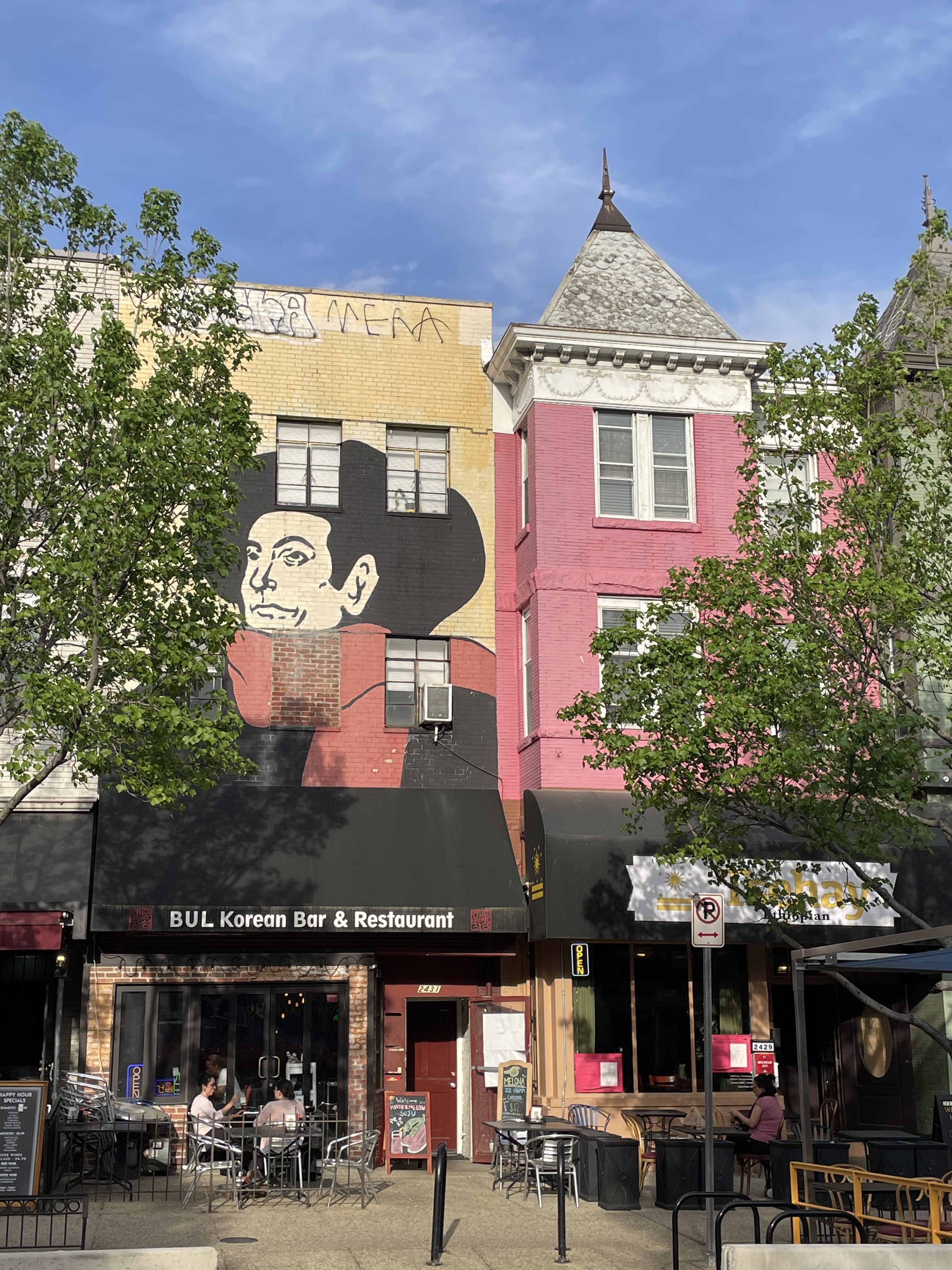
This shows up directly in the food. What makes DC different is that it doesn’t feel staged. Ethiopian food & Salvadoran food aren’t trends or restaurants trying to stand out in this city. They exist here because the people who make that food live here.
So when you eat in DC, you’re not just trying something “from somewhere else.” You’re eating something that’s become local to this city, even if its roots are somewhere else.
2- Immigration Shaped DC’s Food More Than Tourism Did

In a lot of major cities, the food scene is driven by visitors, and restaurants are just competing for their attention.
DC didn’t really develop that way. A lot of what defines the food here comes from people who came for work: from embassy staff & international organizations, to immigrant families who brought their food with them because that’s what you do.
Over time, that turned into restaurants, and those restaurants turn into neighborhoods where certain cuisines just make sense.
That’s why you can walk a few blocks and go from oysters to pupusas to Ethiopian food, and it doesn’t feel random (Note: This is exactly what my DC food tours do!)
3- DC Is a Neighborhood Food City

Another thing that surprises people is that there’s no single “food area.” Washington, DC doesn’t really have a true downtown area filled with lots of high-rises & a business district.
There isn’t one place you go where everything is concentrated. The food is spread out across neighborhoods, and each one has its own personality.
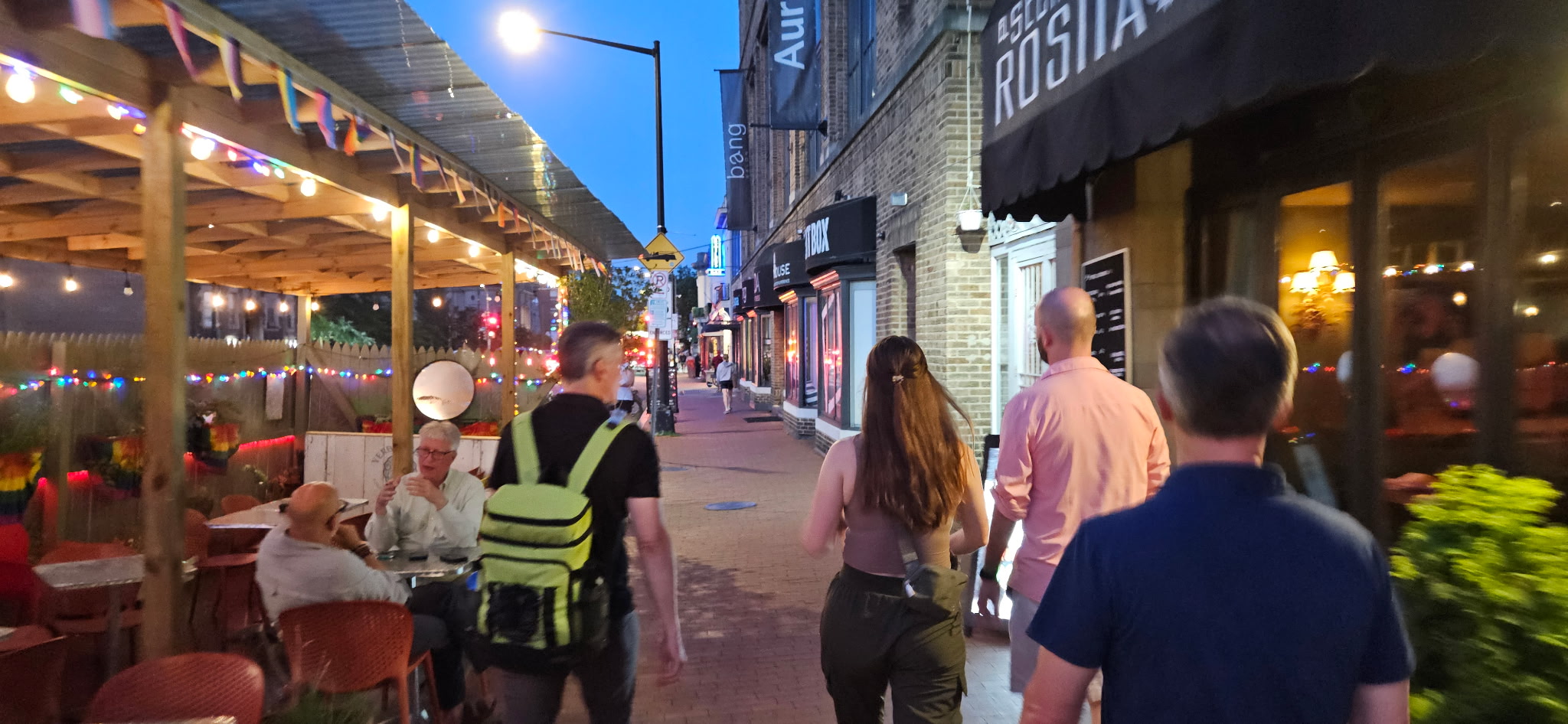
That changes the experience, as you’re not just going from one restaurant to the next, you’re moving through different parts of the city. The walk between places actually matters, because it gives you context for what you’re about to eat.
Sure, this means lots of walking, but this slows things down a little. And makes everything more interesting, as you have a chance to look around & feel the changes.
4- The Chesapeake Bay Quietly Powers the Food Scene

Even though DC isn’t on the ocean, it’s still tied closely to the water. The Chesapeake Bay has been feeding this region & city since it was founded.
At one point, oysters were everywhere. Not expensive, not special, just part of everyday life. Now they feel more like something you order intentionally. But when you eat them here, you’re still connected to that history, whether you realize it or not.
The Chesapeake is now known for blue crabs & rockfish, but provides lots of other seafood favorites. Washington, DC is really a coastal town masquerading as a river town hidden in a national capital.
5- DC Balances History & Food Better Than Most Cities

Most cities lean one way or the other: They’re either great places to eat, or great places to learn about history. I think DC happens to be both, and the two are tied together more than people expect.
You’re rarely just eating something on its own. There’s usually a reason it’s here: who brought it; what was happening in the city at the time; how the neighborhood changed around it.
See some of my DC food tour reviews here
6- It’s Not a “Famous Food City”
DC doesn’t have a single food it’s known for. There’s no obvious answer to “what do you have to eat when you’re here?” At first, that can feel like a weakness, but it’s actually the opposite.
Because there’s no one thing you’re supposed to do, you end up exploring more. You can try things you didn’t plan on, and are free to try stuff you didn’t expect to. It feels less like checking a box, and more like figuring something out.
Why All This Matters for Food Tours
All this is why I think food tours work so well here (especially mine!). If you just pick a few restaurants on your own, you’ll probably eat well. But you’ll miss how everything fits together.
The neighborhoods, the history, the reason certain foods are here in the first place, these are things that I think turns a good meal into something memorable.
A good food tour doesn’t just feed you, it helps you experience & feel the city

Final Thought
I don’t think Washington DC has ever tried to be a food city. It didn’t build itself around that idea, and it doesn’t market itself that way.
DC doesn’t really have a single defining dish. Because of how it developed, with people arriving, settling, & building lives, it ended up with something more interesting: A collection of stories you can actually taste.
Next Post in the Series → What Makes a DC Food Tour Worth it?
FAQ: Washington DC as a Food City
Is Washington DC actually a good food city?
Yes—just not in the way people expect.
DC isn’t built around one famous dish or a handful of big-name restaurants. What makes it strong is how international and neighborhood-driven it is. The food reflects the people who live here, which gives it a lot more depth than most visitors anticipate.
What kind of food is Washington DC known for?
There isn’t one defining answer, and that’s part of the point.
DC is best known for a mix of things rather than a single identity. You’ll find strong representation of Ethiopian, Salvadoran, and other immigrant cuisines, along with regional seafood like oysters and blue crabs tied to the Chesapeake Bay.
Why does DC have so much international food?
Because it’s an international city.
Between embassies, global organizations, and immigration over time, people from all over the world have settled here. They brought their food with them, and over time that became part of the city’s everyday dining scene.
How does DC compare to cities like New York or Chicago for food?
It’s different.
Cities like New York and Chicago have clearer “food identities” and bigger reputations. DC is more subtle. It doesn’t hit you all at once, but if you spend time in the neighborhoods, you start to see how much variety and history there is behind the food.
What neighborhoods have the best food in DC?
There isn’t just one.
That’s one of the things that surprises people. Good food is spread across neighborhoods like Dupont Circle, Adams Morgan, Shaw, and U Street. Each area has its own mix of restaurants and its own story behind them.
Is DC more of a fine dining city or a casual food city?
Mostly casual, with some strong fine dining mixed in.
A lot of the most interesting food in DC comes from locally owned, long-running places rather than high-end restaurants. You can have a better overall experience exploring those than focusing only on upscale spots.
What role does the Chesapeake Bay play in DC food?
A big one, even if it’s not obvious.
The Bay has historically supplied the region with seafood like oysters, blue crabs, and rockfish. That influence is still part of the food scene today, especially when it comes to local specialties.
Why do food tours work especially well in Washington DC?
Because the food makes more sense with context.
If you just eat at a few places, you’ll enjoy the food—but you might miss why it’s here in the first place. A good food tour connects the food to the neighborhoods and the history, which makes the whole experience more memorable.
Leave a Reply